Banking market entry into Vietnam

Vietnam’s banking sector has shown significant improvement which results from stable inflation and interested rate

FMCG business consultant in Vietnam

With increasing disposable income, rising living standard, stable GDP and economic growth, young population and low inflation

Real Estate business consultant in Vietnam

Hundreds of millions of dollars are waiting to pour into Vietnam real estate market in most segments.

Oil Gas business consultant in Vietnam

Vietnam oil and gas industry has a great potential as it plays a vital role in Vietnam’s industrial development.

Thứ Ba, 19 tháng 11, 2024

7 Crucial Reasons Why Consulting Litigation Lawyers in Vietnam is Essential

Legal disputes are an inevitable aspect of doing business, especially in a dynamic market like Vietnam. For foreigners navigating the complexities of Vietnam’s legal system, these challenges can feel overwhelming.

Whether dealing with commercial contracts, performance disagreements, or debt recovery, understanding the role of litigation lawyers in Vietnam is vital for safeguarding your rights and achieving favorable outcomes.

In the following, we offers insights into Vietnam’s litigation process at Vietnam courts, and demonstrates how engaging experienced litigation lawyers in Vietnam can streamline resolution, protect your interests, and save you valuable time and resources.


Understanding Litigation in Vietnam: Why Expertise Matters

Foreign businesses and individuals often face unique challenges when doing business in Vietnam due to differences in legal systems, cultural nuances, and language barriers. When disputes arise, the guidance of litigation lawyers in Vietnam can help bridge these gaps.

Vietnamese law encourages parties to resolve disputes through negotiation or mediation before resorting to formal litigation or arbitration.

In this article, we only focus on litigation at court.

When such efforts fail, taking the matter to court becomes necessary. At this stage, hiring litigation lawyers in Vietnam ensures you have knowledgeable professionals to navigate the intricacies of Vietnam’s legal landscape.


How Litigation Lawyers in Vietnam Can Assist at Every Step

1. Strategic Advice and Pre-Litigation Support

Engaging litigation lawyers in Vietnam early in the dispute resolution process can save considerable time and expense. These professionals can:

  • Evaluate the merits of your case.

  • Guide you through negotiation or mediation efforts.

  • Help you understand the legal implications of potential outcomes.

Foreigners unfamiliar with Vietnamese law often make procedural mistakes that can jeopardize their case. Litigation lawyers ensure compliance with local regulations and prevent costly errors.


2. Preparing a Comprehensive Petition for Court

If negotiations fail, filing a lawsuit in Vietnam requires submitting a detailed petition to the competent court.

This petition serves as the foundation of your legal case. Litigation lawyers in Vietnam help craft petitions that meet strict legal requirements, ensuring clarity, conciseness, and adherence to procedural norms.

Key elements of the petition include:

  • Detailed information about the claimant and defendant.

  • A summary of the dispute, outlining key facts.

  • Specific requests or claims, supported by relevant evidence.

3. Gathering and Presenting Evidence

Evidence plays a critical role in litigation. Foreigners may struggle with obtaining and presenting admissible evidence in Vietnam due to language and documentation requirements. Litigation lawyers in Vietnam assist in:

  • Collecting essential documents such as contracts, invoices, and correspondence.

  • Ensuring foreign documents are notarized, legalized, authenticated, and translated into Vietnamese.

Properly organized and presented evidence strengthens your case and enhances your chances of success in court.


Navigating Vietnam’s Court System

The court system in Vietnam operates differently from many other jurisdictions. Foreigners unfamiliar with local procedures can benefit significantly from the expertise of litigation lawyers in Vietnam, who handle the steps with deligence.

4. Court Review and Trial Preparation

Once the court accepts your petition, the case enters the trial preparation phase. A judge is assigned to review the petition and request additional documents or evidence if necessary. Litigation lawyers in Vietnam liaise with the court on your behalf, ensuring timely submission of all required materials.

During this phase, the court may facilitate reconciliation meetings between the disputing parties. If successful, reconciliation can resolve the matter without proceeding to trial. Litigation lawyers represent your interests during these discussions, safeguarding your position.


5. Representation During Trial

If reconciliation fails, the court schedules a trial. This is where the skills of litigation lawyers in Vietnam become indispensable. They will:

  • Advocate for your interests in court.

  • Present evidence in a logical and compelling manner.

  • Respond effectively to arguments from the opposing party.

The procedural expertise of litigation lawyers ensures your case is handled professionally, minimizing delays and maximizing the likelihood of a favorable judgment.


Common Types of Disputes Handled by Litigation Lawyers in Vietnam

Foreigners in Vietnam often encounter disputes in several key areas. Understanding how litigation lawyers in Vietnam address these issues can help you appreciate their value.

Contractual Disputes

Contractual disputes are among the most common challenges faced by foreigners in Vietnam. These can include disagreements over:

  • Breach of Contract: When one party fails to fulfill their contractual obligations.

  • Unclear Terms: Misinterpretations or ambiguities in the language of the contract.

  • Performance Standards: Disputes over the quality or timeliness of goods or services delivered.

Litigation lawyers in Vietnam analyze the specifics of your contract, provide legal interpretations, and offer solutions ranging from renegotiation to filing lawsuits. They can also assist in drafting clear and enforceable contracts to prevent future disputes.


Debt Recovery

Debt recovery is a pressing issue for foreign businesses, particularly small and medium enterprises operating in Vietnam. Common scenarios include:

  • Unpaid Invoices: Customers or clients failing to pay for goods or services.

  • Loan Disputes: Borrowers defaulting on agreed repayment terms.

  • Supplier Payment Issues: Disputes over advance payments or failure to deliver goods.

Litigation lawyers in Vietnam take a strategic approach, starting with negotiation and demand letters to resolve disputes amicably. If these efforts fail, they proceed with filing lawsuits and representing you in court, ensuring adherence to Vietnamese legal procedures.


Employment Disputes

Employment-related disputes are another common challenge, particularly for foreign employers managing local teams. Issues can include:

In such cases, litigation lawyers in Vietnam help employers understand labor laws, mediate disputes with employees, and, if necessary, represent their interests in court or arbitration proceedings.


Real Estate and Property Disputes

Vietnam’s real estate sector is a booming market, but it also presents significant legal challenges for foreigners, including:

  • Property Ownership Disputes: Issues over rightful ownership or fraudulent transactions.

  • Lease Disputes: Conflicts between landlords and tenants regarding rental agreements or property conditions.

  • Construction Disputes: Problems with contractors over project delays, cost overruns, or substandard work.

Litigation lawyers in Vietnam assist in resolving these disputes by reviewing contracts, gathering evidence, and representing clients in legal proceedings. Their expertise ensures compliance with Vietnam’s intricate property laws.


Intellectual Property Disputes

For foreign businesses operating in Vietnam, protecting intellectual property (IP) is paramount. Common disputes include:

Litigation lawyers in Vietnam provide essential services such as filing IP infringement claims, negotiating settlements, and pursuing legal remedies to protect your intellectual assets.


Shareholder and Partnership Disputes

Foreign investors and business partners often face disagreements related to:

  • Profit Distribution: Disputes over the allocation of earnings.

  • Decision-Making Authority: Conflicts regarding governance or operational control.

  • Exit Strategies: Disagreements over buyouts or dissolution of partnerships.

Litigation lawyers in Vietnam offer expert advice on corporate governance and represent clients in resolving these disputes through mediation, arbitration, or court proceedings.


Consumer Disputes

Foreign businesses may encounter consumer complaints such as:

  • Product Liability Claims: Issues arising from defective or unsafe products.

  • Service Complaints: Allegations of substandard service delivery.

  • False Advertising: Claims that promotional materials misled customers.

In such cases, litigation lawyers in Vietnam can mediate disputes, manage public relations implications, and represent businesses in court to protect their reputation and minimize financial losses.


Benefits of Hiring Litigation Lawyers in Vietnam for Foreigners

The advantages of engaging litigation lawyers in Vietnam extend far beyond legal representation. These professionals bring local knowledge, procedural expertise, and negotiation skills that are invaluable for foreigners facing legal challenges.

Expertise in Vietnamese Law

Vietnam’s legal system is influenced by civil law principles, which differ significantly from common law systems. Litigation lawyers understand these nuances and provide tailored solutions for each case.

Language and Cultural Bridge

Foreigners often face language barriers when dealing with Vietnamese legal documents and court proceedings. Litigation lawyers act as a bridge, ensuring clear communication and accurate translations.

Efficient Dispute Resolution

By handling negotiations, preparing evidence, and representing you in court, litigation lawyers streamline the resolution process, saving you time and resources.

Protection of Business Interests

Legal disputes can disrupt operations and tarnish reputations. Litigation lawyers work to resolve matters efficiently while protecting your long-term business interests.


Conclusion: Why Litigation Lawyers in Vietnam Are Necessary

Navigating legal disputes in Vietnam requires more than a basic understanding of the law. Foreigners face unique challenges, including unfamiliar regulations, cultural differences, and procedural complexities. Engaging experienced litigation lawyers in Vietnam is the key to overcoming these hurdles.

From pre-litigation advice to courtroom representation, these professionals provide the strategic guidance and support needed to achieve favorable outcomes. By partnering with litigation lawyers in Vietnam, foreigners can focus on their business operations while leaving legal challenges in the hands of experts.

For any foreign individual or organization facing legal disputes in Vietnam, hiring skilled litigation lawyers is not just an option, it’s a necessity for success.


Thứ Năm, 14 tháng 11, 2024

Can Foreign Invested Enterprises Distribute Pharmaceutical Products in Vietnam?

Currently, with the complicated developments of the Covid-19 epidemic in the world in general and in Vietnam in particular, the research, production and import of Covid-19 vaccines are the matter that everyone is concerned about. On February 24th, 2021, the first batch of vaccine approved for import was transported to Vietnam by the Vietnam Vaccine Joint Stock Company.


Facing this situation, a number of foreign enterprises have expressed their opinions on the limitations imposed on foreign-invested enterprises in the field of distribution of pharmaceutical products in Vietnam. Vietnam has reserved no commitment to open the distribution of pharmaceutical products service market and has not committed to opening the distribution of pharmaceutical products service market under any trade agreement or international treaty up to the moment, because the pharmaceutical sector is sensitive, directly related to access to drugs and people’s health.

According to the provisions of the law, “distribution of pharmaceutical products” means the division, movement and storage of pharmaceutical products from the warehouse of the manufacturer/importer of such products or from a distributor to the end user thereof or to a distribution point or between distribution points by means of various transport methods. For distribution services, in the WTO Commitments, it is clear that pharmaceutical distribution services are excluded from the scope of commitments for all modes of supply. In addition, Appendix 03 of Circular 24/2016/TT- publicizing roadmaps for goods trade and goods trading directly related activities of foreign-invested enterprises in Vietnam, it is also recognized that pharmaceutical products are on the list of goods not entitled to distribution.

Regarding this issue, the Drug Administration of Vietnam expressed the following viewpoint: “The suspension of allowing foreign-invested enterprises in Vietnam to provide drug storage and transportation services is to prevent the distribution of disguised drugs in Vietnam, contributing to health security and towards the professionalization of the medicine distribution system in Vietnam.”

Point c, Clause 10, Article 91 of Decree 54/2017/ND-CP, effective from May 8, 2017, provides for cases ineligible to distribute drugs as follows:

“10. The entities that are entitled to import but not entitled to distribute drugs and medicinal ingredients in Vietnam must do activities related to distribution of drugs and medicinal ingredients in Vietnam except for drugs and medicinal ingredients they manufacture in Vietnam, including:

c) Providing drug/medicinal ingredient transport or storage services.”

According to this content, foreign-invested enterprises in Vietnam are not allowed to transport and preserve drugs, except for drugs and medicinal ingredients manufactured by that enterprise in Vietnam. It can be seen that the restriction on the right to distribute drugs to foreign-invested enterprises is aimed at ensuring health security, being proactive in drug supply and distribution, towards to professionalize the domestic drug distribution system as a foundation to support the development of the domestic pharmaceutical industry and contributing to better control of drug prices in the market.

We help clients overcome cultural barriers and achieve their strategic and financial outcomes, while ensuring the best interest rate protection, risk mitigation and regulatory compliance. ANT lawyers have Law firm in Hanoi, Law firm in Ho Chi Minh and Law firm in Danang


Chủ Nhật, 10 tháng 11, 2024

Trade and Customs Laws in Vietnam

 When it comes to customs laws, complexity is one of the biggest challenges faced by many countries, including Vietnam. For a long time, the Vietnam government has also had to continuously solve multiple layers of regulations and laws that could conflict with one another, making it difficult for businesses to keep up. As a result, businesses operating in Vietnam must take extra precautions to ensure that their activities comply with the various laws and regulations, or risk running afoul of them. This complexity can be overwhelming for businesses looking to operate in the country, and having a knowledgeable customs law firms in Vietnam to help navigate the complexities of the Vietnam customs systems on hand to assist is essential.


What Are the Different Areas of Custom Law in Vietnam?

Customs law is made up of various areas of regulation, which includes customs valuation, duty and taxes, import and export control, shipping documents and procedures, origin of goods, safety and security, and violation and penalties. Regardless of the nature of the product, understanding the various provisions of the customs laws is of paramount importance for businesses trading in and with Vietnam.

Custom Valuation

Custom valuation in Vietnam is an integral part of the customs laws and it refers to the proper assessment of the value of the goods to be imported or exported. The process involves detailed assessment of various factors including the cost of production, the cost of transportation upto the loading port, and any other applicable charges. It is essential for businesses to understand the importance of custom valuation to ensure compliance with the current customs laws.

Tax and Duty 

Tax and duty laws are part of the customs regulations of Vietnam. These regulations may differ based on the nature and type of product that is being imported or exported.  There are various types of taxes and duties including excise, import duty, value added tax, and special consumption tax. Special attention is to be given to any exemptions or special privileges that have been given to certain goods and materials. Security deposit and bond rules may also be applicable in certain cases.

Import-Export Controls

In Vietnam, rigorous import and export controls are in place in order to protect the interests of domestic industry and domestic market. These controls limit the quantity and type of goods that are allowed for import or export and also determine the price guidelines applicable to the goods. 

Shipping Documents and Procedures

Shipping documents and procedures are closely regulated under Vietnamese customs law. The documents that are required and the type of customs clearance procedures that have to be followed need to be carefully understood by companies trading in and with Vietnam. This is in order to ensure that the shipments reach their destination in a timely manner.

Origin of Goods

Origin of the goods that are being transported to or from Vietnam is a very important consideration in ensuring compliance with the customs laws. Companies are expected to provide proof and documentary evidence of the origin of the goods to ensure there are no delays in the shipment process.

Advantage of Free Trade Agreements

Vietnam is party to various Free Trade Agreements with countries around the world. These agreements offer various benefits to companies importing or exporting goods. Companies should ensure to understand the various continue provisions of the agreements and make use of the opportunities offered in order to gain competitive advantage.

Violation and Penalties

Companies that are found to be in violation of the customs laws may face severe penalties including but not limited to monetary fines, seizure of the goods, and in worse cases a jail sentence. It is important that companies ensure to comply with the customs regulations in order to avoid any such repercussions.

How Customs Law Firms in Vietnam Can Help?

Compliance with the various requirements of the customs laws in Vietnam can be a daunting task for many companies. This is where lawyers at customs law firms in Vietnam can lend a hand to provide the necessary guidance and assistance to the companies so that they can navigate their way through the complex web of regulations without any problems while doing business in Vietnam.


Thứ Hai, 28 tháng 10, 2024

12 Ways Transport Lawyers Enhance Logistics and Compliance in Vietnam

Legal issues pertaining to all forms of transportation, including road, rail, air, sea, are the focus of transport lawyers.

Legal Considerations in Transport Contracts 

1. Concept and Evolution of Transport Contracts
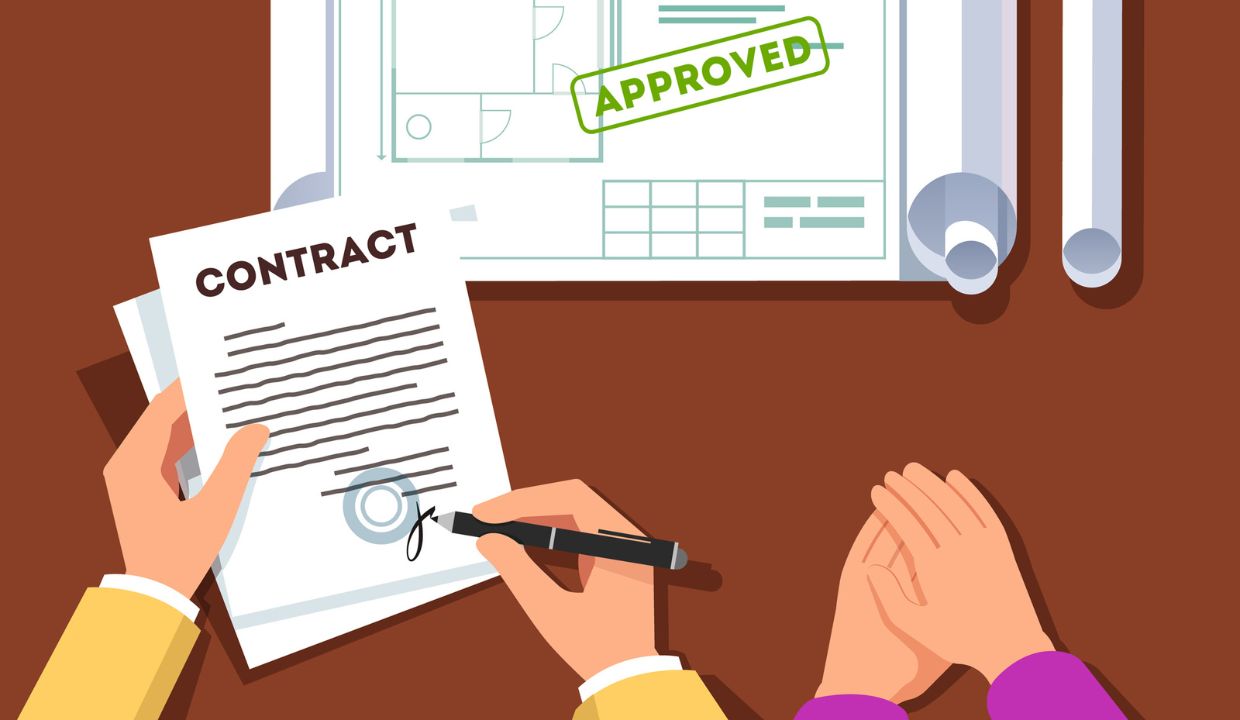
The essence of a transport contract under Civil Law is an agreement where the transporter is obligated to move and deliver goods to a specified location, receiving a fee from the hiring party.

This type of contract embodies the principles of voluntariness, freedom, and equality in civil transactions, allowing identification through elements like the parties involved—the transporter and the client—and the objectives, which focus on the movement of goods to a predetermined location.

2. Contractual Parties
Transporter: Typically owns the transportation means, such as trucks, ships.
Client: Needs to move goods from one place to another but lacks the means to do so independently.
Recipient: Can either be the client or a third party benefiting from the transport contract.

3. Subject Matter
The core purpose of a transport contract is the physical relocation of goods to an agreed destination. Unlike services measured by more abstract standards like quality, the valuation in transport contracts is often based on tangible metrics like the amount of goods, the distance traveled, and the type of transportation used.

4. Contract Content and Obligations
A transport contract outlines clear rights and obligations for the involved parties. 

5. Form of Transport Contracts
Historically, transport contracts could be verbal or written. However, the Civil Code now recognizes contracts formed by specific actions, reflecting societal advancements and the importance of the contract’s substance over its formal expression.

Verbal Contracts: Common for low-value or trusted transactions among acquaintances.
Written Contracts: Necessary for formal transactions and typically required by regulatory standards.
Contracts by Conduct: A newer form acknowledged by the law, allowing contracts to be formed through actions without direct negotiation at the point of agreement.

The evolution of Vietnam’s legal approach to transport contracts reflects a balancing act between tradition and modernization. As technology and commercial practices evolve, so too must the legal frameworks that support and regulate them, ensuring that they remain relevant and effective in facilitating civil commerce and logistics.  Looking into the future, the electronic contracts might be suitable for the development of e-commerce in Vietnam.

How Transport Lawyers in Vietnam Help?

In the rapidly evolving world of logistics and transportation, transport lawyers play a crucial role in navigating the complex legal landscape. Especially in Vietnam, where economic growth is heavily supported by robust logistics, the expertise of transport lawyers is invaluable. There are 12 critical ways these legal professionals contribute to the sector, emphasizing their indispensable role in ensuring smooth operations and compliance.

1. Contract Negotiation and Drafting
Transport lawyers are instrumental in drafting and negotiating transport contracts that comply with Vietnamese laws. They ensure that all contractual terms protect their clients’ interests while adhering to legal standards. This includes defining the rights and obligations of all parties involved, which can prevent costly disputes in the future.

2. Regulatory Compliance
Navigating the regulatory framework of the transportation sector in Vietnam can be daunting. Transport lawyers help companies understand and comply with local regulations, including those related to transport licensing, safety standards, and environmental laws. Compliance reduces the risk of legal penalties and enhances the company’s reputation.

3. Dispute Resolution
When disputes arise, whether from contract misunderstandings, service failures, or accidents, transport lawyers are equipped to handle them. They represent clients in negotiations and, if necessary, in court or arbitration proceedings. Their intervention can lead to faster resolution of disputes, minimizing costs and disruptions.

4. Risk Management
Transport lawyers assist companies in identifying potential legal risks associated with their operations. They provide strategies to mitigate these risks, such as revising contract terms, ensuring proper insurance coverage, and advising on safety compliance. This proactive approach prevents legal issues from arising and ensures uninterrupted business operations.

5. Insurance Claims
Handling insurance claims can be complex, particularly when significant losses or damages are involved. Transport lawyers help in filing and negotiating claims with insurance companies to ensure that clients receive fair compensation without undue delay.

6. Cross-Border Transactions
With Vietnam’s strategic location as a gateway to ASEAN, many companies engage in cross-border transportation. Transport lawyers facilitate these transactions by ensuring compliance with international trade laws and regulations. They help navigate customs, import-export regulations, and other cross-border legalities.

7. Intellectual Property in Transport
In an era where technological innovation is at the heart of logistics, protecting intellectual property becomes crucial. Transport lawyers help firms protect their technological innovations, software, and business methods through patents and copyrights, ensuring they retain their competitive edge.

8. Employment Law
Transport lawyers also advise on employment laws as they apply to transport and logistics. They help companies draft employment contracts, advise on labor disputes, and ensure compliance with local labor laws, including those related to work hours, safety, and compensation.

9. Environmental Compliance
The transport sector is often under scrutiny for its environmental impact. Transport lawyers in Vietnam help companies adhere to environmental regulations, manage waste, and reduce emissions. This compliance is crucial not only for legal reasons but also for sustainable operations.

10. Mergers and Acquisitions
In an industry as dynamic as transport, mergers and acquisitions are common. Transport lawyers play a key role in these processes, conducting due diligence, ensuring regulatory approval, and facilitating smooth transitions.

11. Legislative Advocacy
Transport lawyers also act as advocates for the transportation industry. They can lobby for favorable changes in laws and policies that impact the sector, representing the interests of companies at the governmental level.

12. Continuous Legal Education
Finally, transport lawyers provide ongoing legal education to their clients, keeping them informed about new laws and regulations that could impact their operations. This education helps companies make informed decisions and maintain compliance.

In conclusion, transport lawyers are vital to the success and smooth operation of transportation and logistics companies in Vietnam. By addressing a wide range of legal issues, from compliance and contract negotiation to dispute resolution and environmental law, they provide comprehensive support that allows companies to focus on their core business without legal distractions.